Call us
Composites
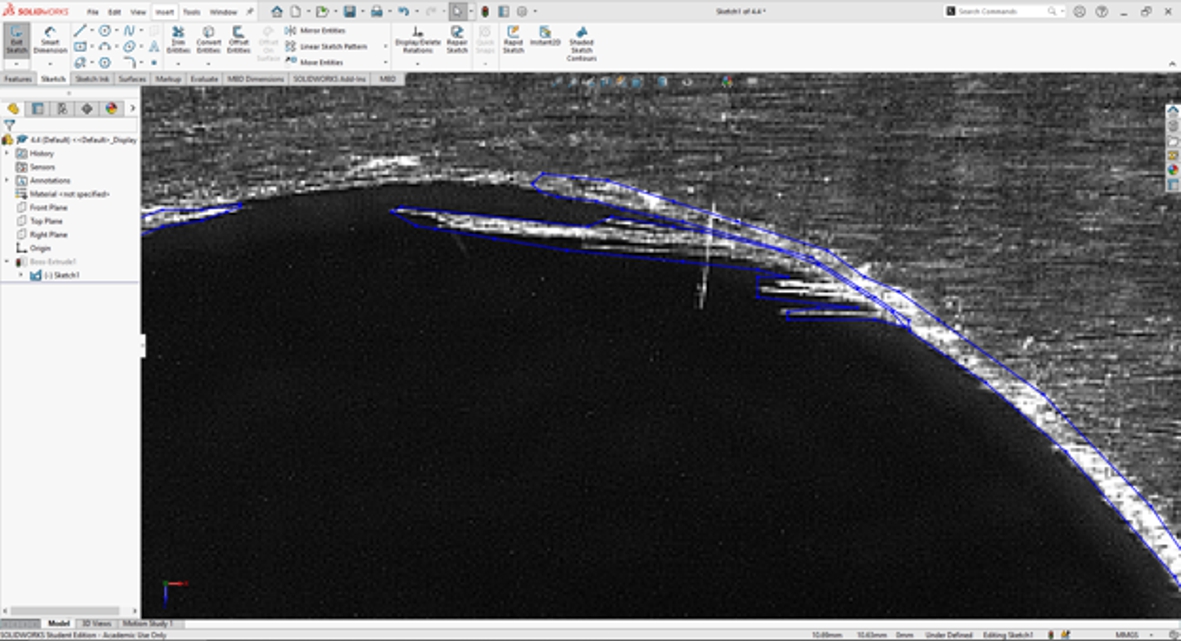
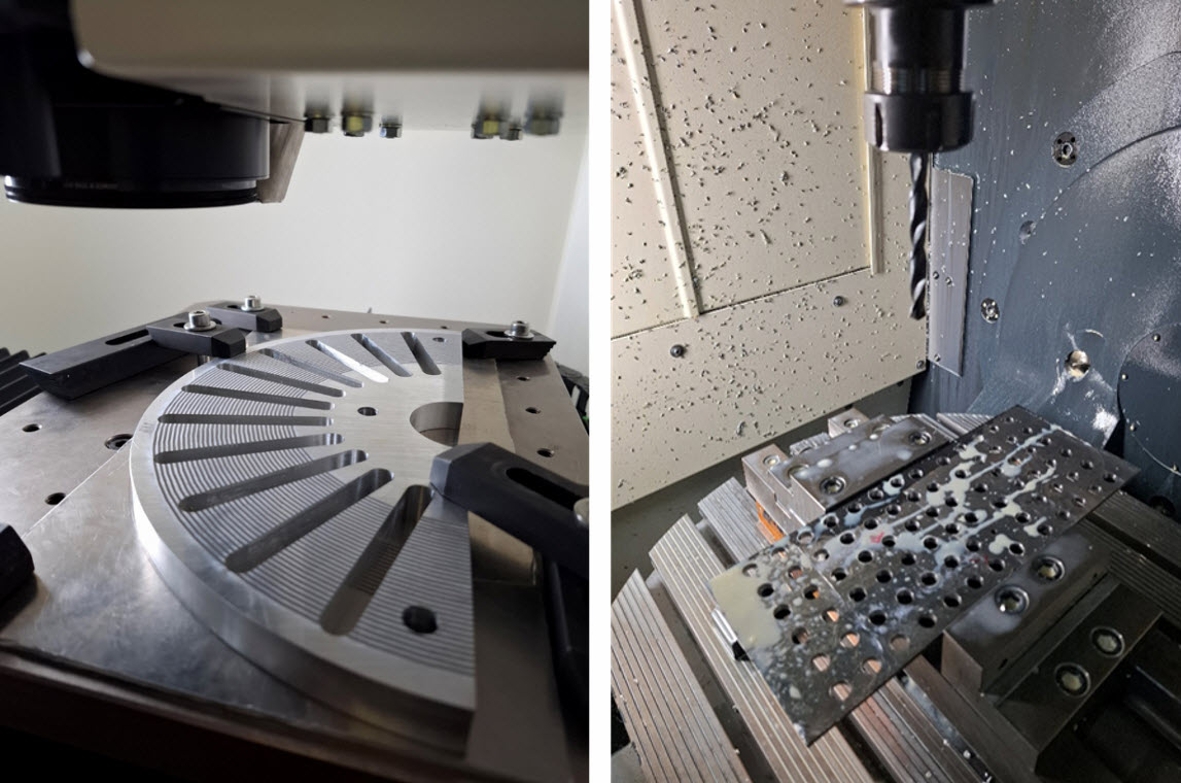
The research focuses on the experimental investigation of machining-induced damage during hole making in cylindrical Carbon Fiber Reinforced Polymer (CFRP) specimens, with particular emphasis on the optimization of cutting conditions through orbital milling. The study examines the mechanisms governing CFRP material removal, the influence of fiber orientation on cutting behavior, and the formation of typical drilling defects such as delamination, fiber pull-out, uncut fibers, thermal damage, and surface quality degradation. Experimental trials were conducted using specially designed fixtures and a high-speed imaging setup to ensure stable machining conditions and accurate process monitoring. Orbital milling was selected as an alternative to conventional drilling due to its lower thrust forces, reduced cutting temperatures, improved chip evacuation, and enhanced hole quality. The quality of the produced holes was evaluated using stereomicroscopy and digital image analysis techniques, allowing the quantification of damage at both hole entry and exit regions. The results demonstrate the significant influence of machining parameters on damage formation and confirm the potential of orbital milling to improve the integrity of holes in CFRP structures. The findings contribute to the development of optimized machining strategies for advanced composite components used in aerospace, automotive, energy, and high-performance engineering applications.